By Garry Sanossian
A long-held vision for one, unified national Churches of Christ training college is taking shape across Australia.
Over the last five years, significant steps have been taken between state networks to unite their training colleges under the banner of Australian College of Ministries (ACOM). This journey accelerated in 2023 when Stirling College and ACOM formally merged, bringing together two significant streams of ministry training within the Churches of Christ movement. The merger paved the way for Churches of Christ in Victoria and Tasmania to join college membership.
The return of Churches of Christ in Queensland to membership of ACOM last year, followed by Churches of Christ in Western Australia joining the college community this year, marks another significant step toward a more unified approach to ministry formation.
These milestones mark an exciting step in ACOM’s vision of becoming a national and collaborative ministry training provider for Churches of Christ across Australia, alongside its long-standing partnership with the Christian and Missionary Alliance of Australia.
For ACOM Principal and Chief Executive Officer Neale Meredith, the development gives churches clarity in the formation of future leaders.
“I think it gives the ability for our churches across the country to have a singular focus when it comes to where we send our emerging leaders,” Neale said.
“If we want them to be trained in a Church of Christ bible college, then there’s no confusion. It’s ACOM.”
Neale Meredith has been with ACOM since 2006, initially serving in various roles across the college before stepping into the role of Interim Principal and CEO by late 2020 and continuing subsequently as Principal and CEO.
For Queensland, the return carries historical significance. ACOM was formed through the merging of Kenmore Christian College in Brisbane and the Churches of Christ Bible College in New South Wales in 1998.
“To see them come back in and reclaim that sense of ownership and belonging as part of ACOM has really helped to galvanise this journey towards one national college for Churches of Christ in Australia,” Neale said.
Nigel King, Chair of the Churches of Christ in Queensland Board, said the decision reflects Queensland’s confidence in ACOM’s direction.
“This is a natural and obvious step for Churches of Christ in Queensland,” Nigel said. “We have watched ACOM grow into a national, collaborative and Spirit-led provider of theological education. We believe this partnership positions us to better equip leaders for the future church.”
Queensland’s return to ACOM offers a renewed capacity for training in church planting and revitalisation through the Kenmore Institute for Church Planting, now led by Steve Gray.
Tim Hanna, Chairman of Council for Churches of Christ in Queensland, said this remains a key passion for the Queensland network.
“We’ve got a passion in Queensland to keep church planting and revitalisation at the forefront of all we do,” Tim said. “Any theological or ministry training program has to focus on seeing churches grow and multiply.
“We are really passionate about this and are excited for how Kenmore Institute can continue to serve other networks through ACOM.”
Churches of Christ in Western Australia has also joined ACOM membership, deepening a partnership that has existed for many years.
For Steve Poisat, Executive Minister for Churches of Christ in Western Australia, the decision reflects a desire to work more closely with ACOM and other Churches of Christ state bodies.
“This is a significant step for COCWA as we intentionally deepen our partnership with ACOM, who have been a trusted ally for many years,” Steve said.
“We are excited to work together in forming people for ministry, alongside our fellow Churches of Christ state bodies across Australia.”
For Neale, membership means more than an association. He said, “For the state networks, membership gives them a seat at the table. Each member is able to appoint a director of the college, and that allows them to speak into the strategic direction of the college.”
As these states join ACOM, they also contribute their own specialties in higher education, expanding the offering of ACOM as a national college. This includes cross-cultural ministry courses withce Institute for Mission, church planting courses through Kenmore Institute for Church Planting, and counselling, chaplaincy and supervision courses through The Stirling School of Community Care.
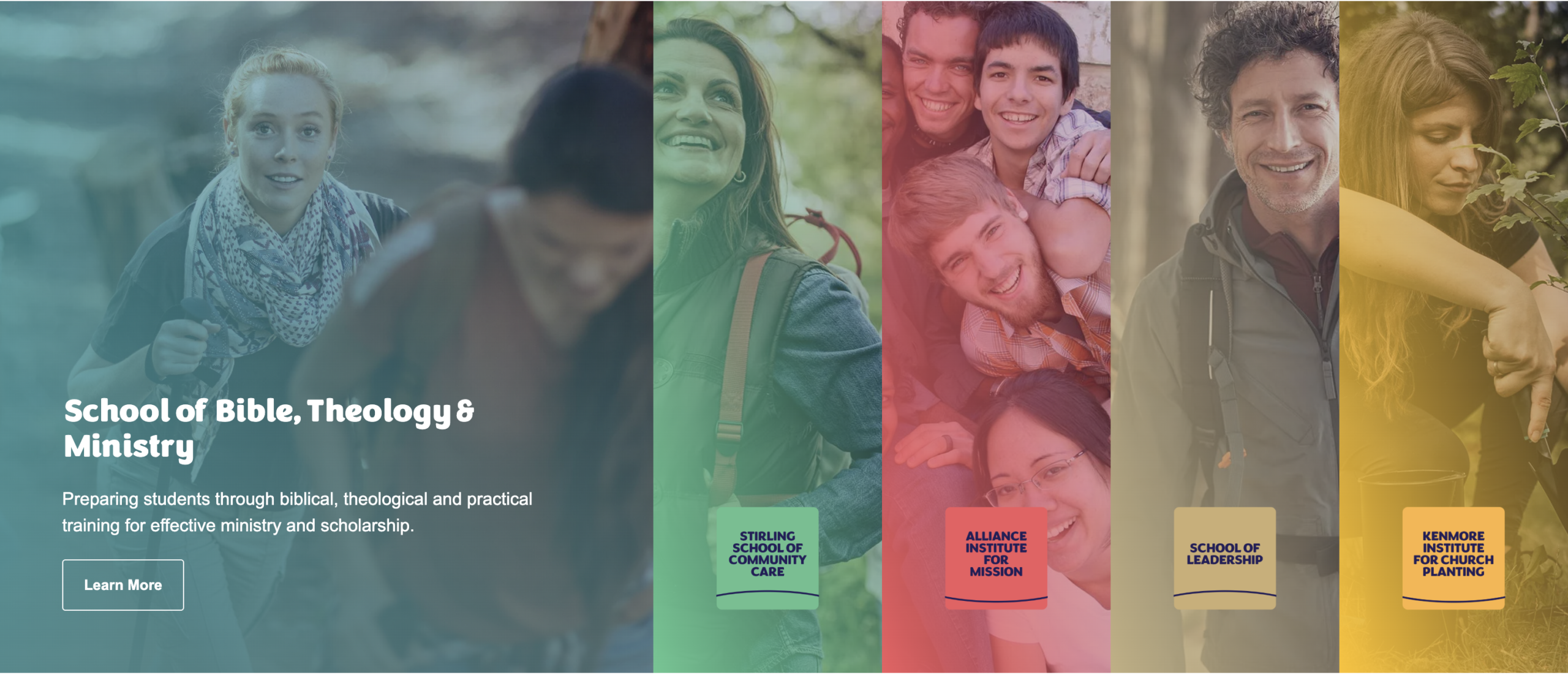
The different schools and institutes that make up ACOM’s academic structure.
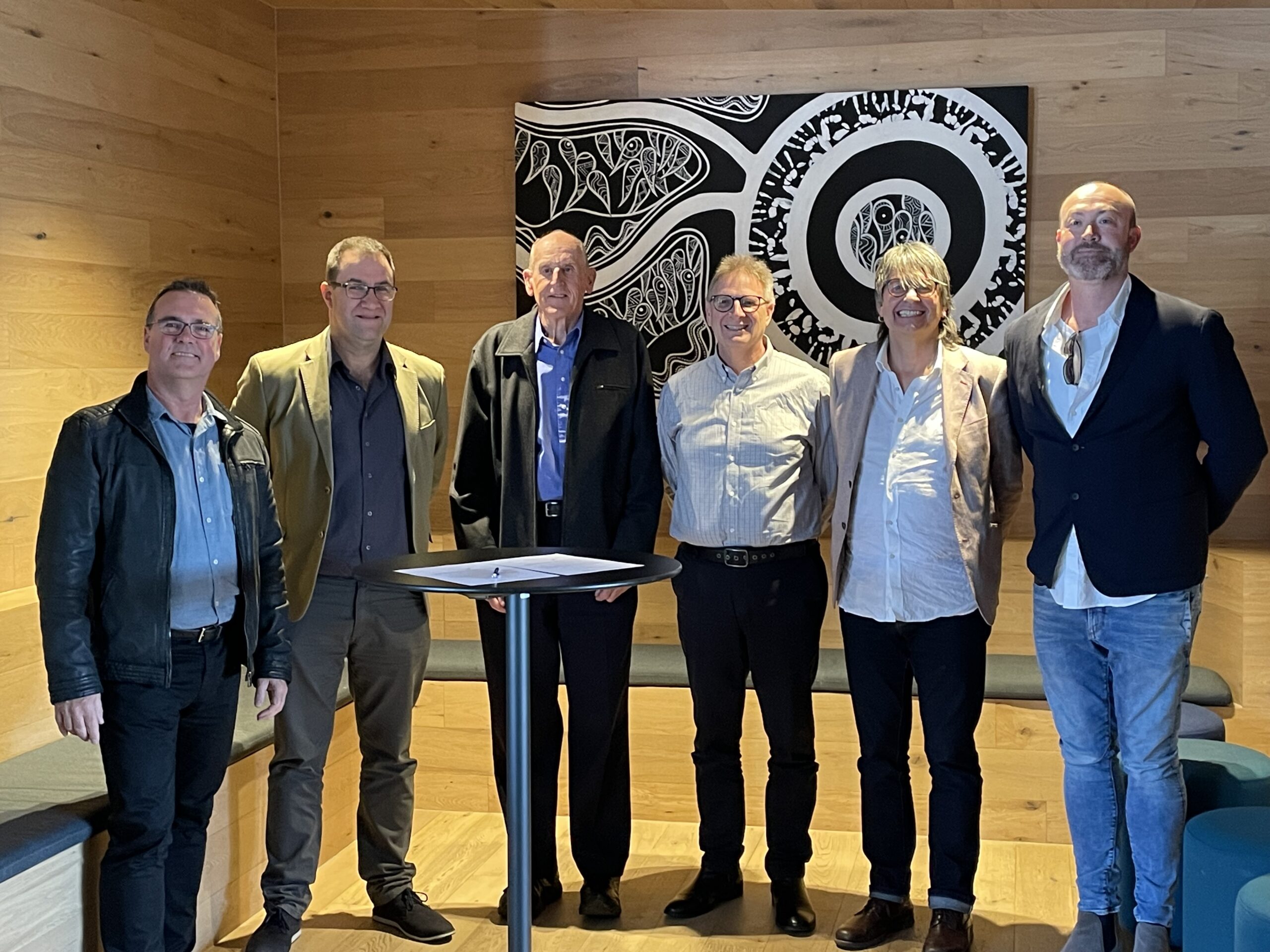
The signing of the ACOM and Stirling agreement.
ACOM’s model allows students to train for ministry while remaining in their own communities and ministry settings, making their church their training campus.
Recent feedback from a church in Northam, Western Australia, where four students are currently studying with ACOM while continuing to serve in their local church, has been affirming of this model.
“The leaders said to me, ‘We don’t lose them to the city,’” Neale said.
“Instead of leaving their community to train, they can stay, serve and grow where God has already placed them.”
The story also honours a long history of ministry formation within Churches of Christ.
Former ACOM Principal Keith Farmer, who led the college from 1981 to 2004 and played a significant role in the original formation of ACOM, has welcomed the recent steps toward unity.
Reflecting on the developments, Keith said he was “absolutely over the moon.”
“It’s music to my soul,” he said. “Maybe this is one of the ways in which our restoration movement beginnings and inspiration, that we are all one in Christ, might permeate the ethos of evangelical Christianity in Australia again.”
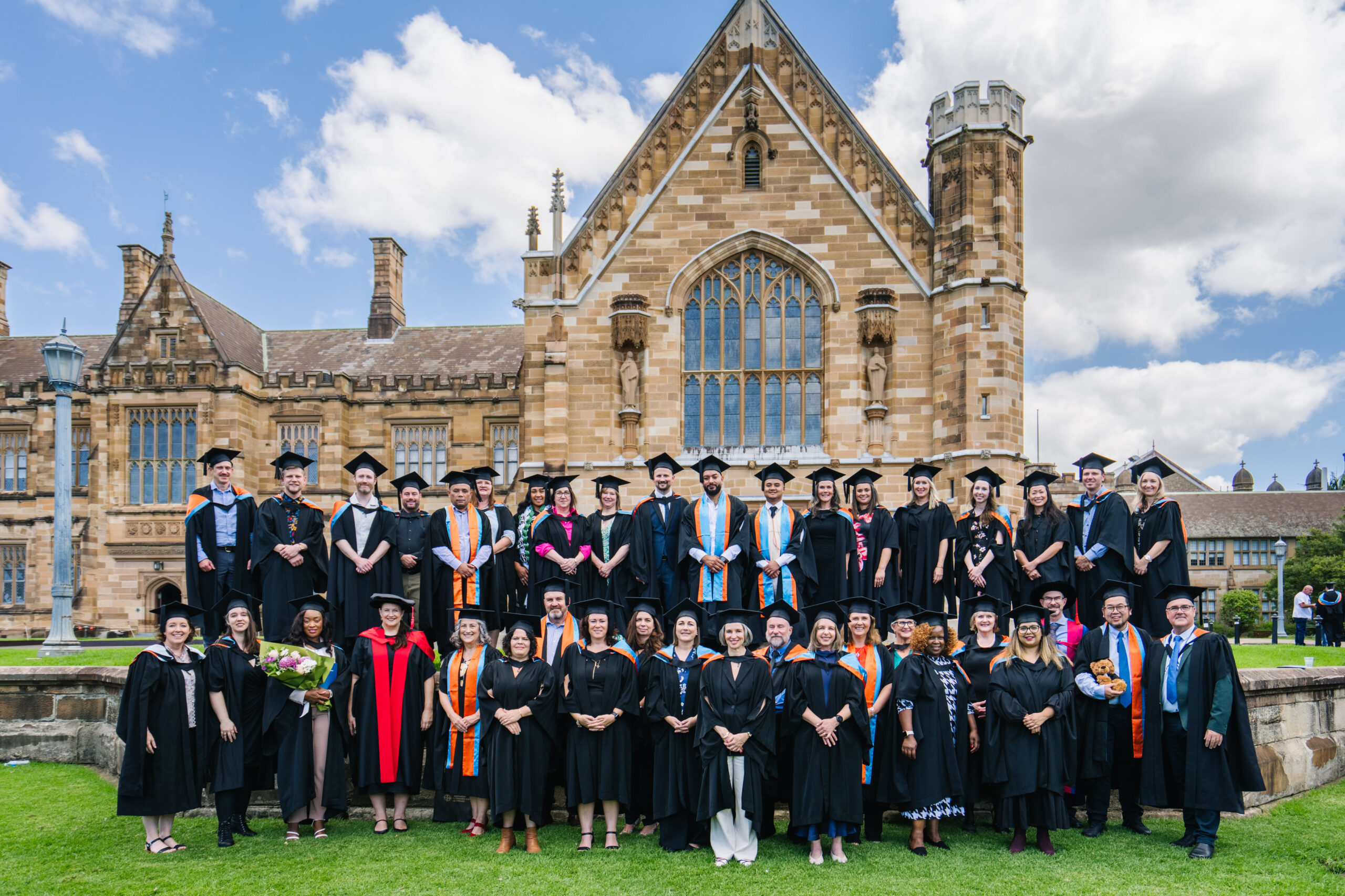
ACOM Class of 2026 Graduation.
Looking ahead, Neale hopes every Churches of Christ state conference will one day be embedded within ACOM and recognise it as the college of choice for emerging leaders.
“Success would be that all of the state conferences for Churches of Christ are embedded within ACOM, seeing ACOM as the college of choice for their emerging leaders and ministry training,” he said.
For churches across Australia, the vision of one national college is for a stronger and more connected movement, where the gifts, experience and resources of each state are shared for the formation of people called to ministry.
Page Feedback