By Garry Sanossian
When Julia Gilchrist uncovers, sorts and digitally scans the historic archival records of churches of Christ in NSW & ACT, thousands of documents pass through her hands. The finds can seem dense and factual, but Julia tells me the dusty boxes house soul-stirring stories – plenty of which are about inspiring women.
For Julia, who has spent five years doing historical research with the network’s archives, they reveal a vivid picture of the people who have gone before and the stories of their faithfulness and sacrifice.
“I was always fascinated by stories,” Julia said. “As a child I would ask my parents for ‘a long time ago’ stories. I loved the idea that people lived in different times and cultures, and that what happened in history shaped their lives.”
Her academic path deepened that interest. During her undergraduate studies, Julia completed a Bachelor of Writing and Contemporary Cultures (Honours, Social Inquiry), at UTS, which included a thesis on women in publishing in the years between 1500-1900.
“I did a series of profiles on women from that period,” she said. “That’s really where my academic foundation for historical research began.”
Over time, Julia’s interest in ‘how history shapes us’ has grown into a career. Doing this work, she is particularly captured by the stories of women.
“The women were the first witnesses to the risen Christ,” Julia explained. “Without them going to the disciples and telling what they had seen, we would not have the gospel accounts in the way we do.”
That moment reflects a pattern that appears again and again throughout church history. Women stepping forward, sometimes quietly and sometimes boldly, to serve their communities and advance the work of the Kingdom. Across the network, that legacy stretches back to the earliest days of the movement in Australia.
In the mid nineteenth century, when churches of Christ was first taking shape in Sydney, gatherings often happened in homes rather than church buildings. One of those homes belonged to Isabella and Albert Griffin, who helped establish the church in the city around 1850.
Hosting a house church was no small task. It meant preparing the home, welcoming people from different backgrounds and creating space for worship and fellowship, often in small and crowded rooms. Yet women like Isabella opened their homes repeatedly, creating places where communities could gather, pray and grow together.
That same spirit continued as the church expanded. When congregations moved from the city to suburbs like Newtown, other women stepped forward to host gatherings, ensuring the life of the church continued even before dedicated buildings existed.
Women also responded to the practical needs around them. Christian women’s groups organised fundraising efforts, supported mission work and developed ministries that cared for families and children. Long before modern healthcare systems existed, they also raised funds to support hospital care for mothers and babies.
Their efforts helped establish initiatives such as mother and baby centres and early childhood programs. Often these ministries began simply with women recognising a need and deciding to respond.
“They would look at their community and ask, what is needed here?” Julia said. “And then they would work together to make it happen.”
Through these efforts, women developed leadership skills, organisational experience, networking nous, and a confidence that shaped the life of the church and its wider mission.
Some women felt called to go even further. Julia recounts the story of a remarkable young woman, Mary Thompson, who stepped forward with courage to enter the international mission field when she was 30 years old.
Australian churches were first embarking on overseas mission work in the late nineteenth century. Understandably, many people (men is correct in this instance, the original call had been to men, but they didn’t put their hands up). hesitated to go. In 1981, Mary Thompson answered the call, volunteering to travel to India as a missionary. Supported by women’s groups across Australia, she served there for four decades, becoming the first missionary sent by churches of Christ in Australia. Christian women sustained her ministry through letters, fundraising and prayer.
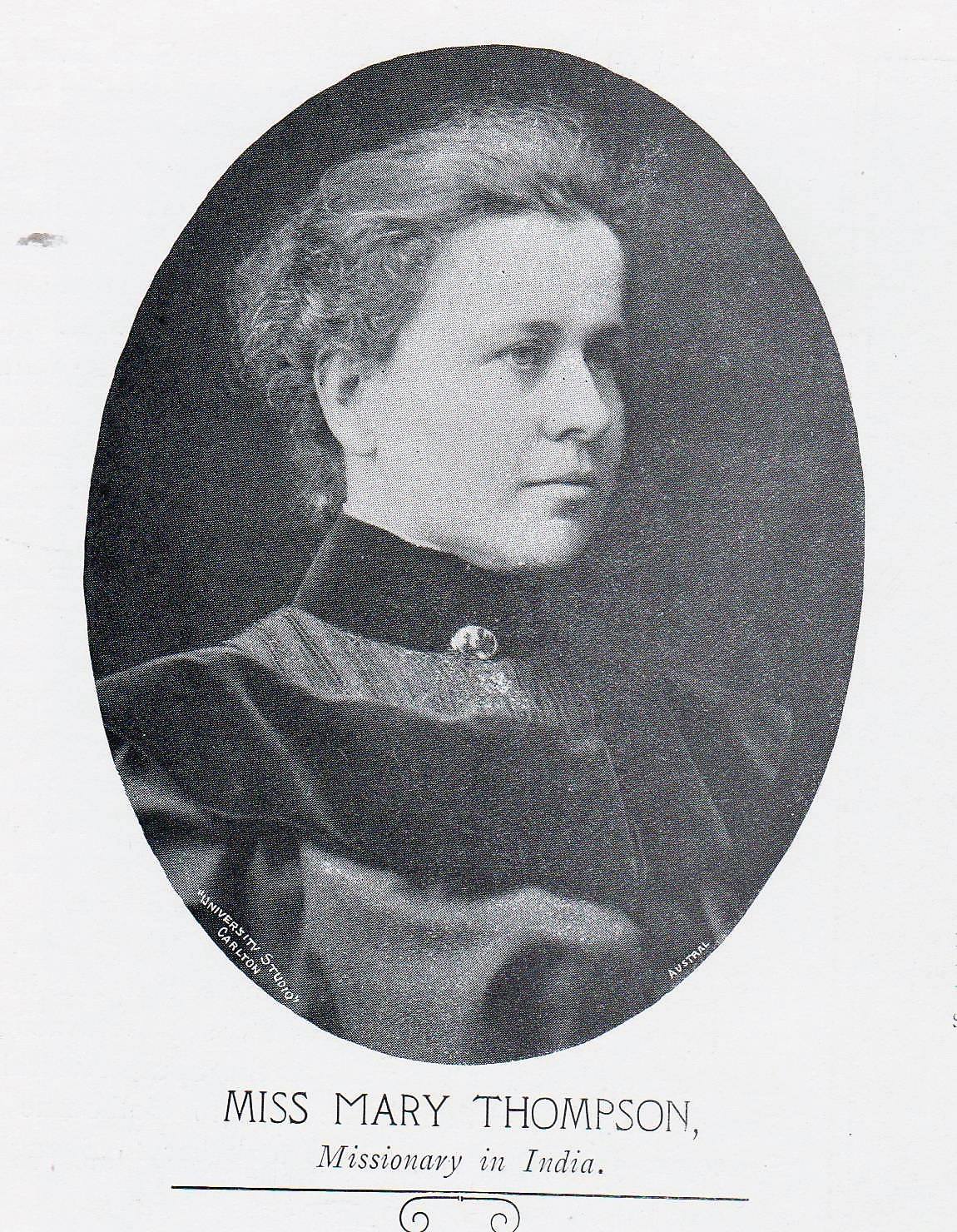
Mary Thompson, the first missionary sent by churches of Christ, who served in India for four decades.
Another intrepid woman from the churches of Christ archive who inspires Julia is Rosa Lavinia Tonkin, who served in China during a time of deep social hardship. She rescued orphaned girls at risk of exploitation and welcomed them into her home. Though single, Rosa adopted six children, giving them a future. One of those girls later became a doctor.
“She stayed in China, she cared for these children, and she became a mother to them,” Julia said.
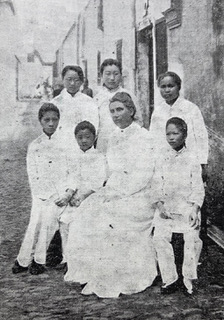
Rosa Tonkin, an Australian missionary in China who rescued vulnerable girls and adopted six children, giving them a new future.
Lastly, Julia talks about three women in one family: Grandma Ann Morris, Ellen Elizabeth Ashwood, and May Ashwood. Grandma Morris worked alongside Isabella Griffin and Martha Clapham supporting the growth of the network, particularly leading into the inaugural NSW Sisters’ Conference. Ann’s mentorship included her daughter, Ellen Elizabeth, who served on the NSW Sisters’ Conference executive and financed Ashwood Hospital in India.
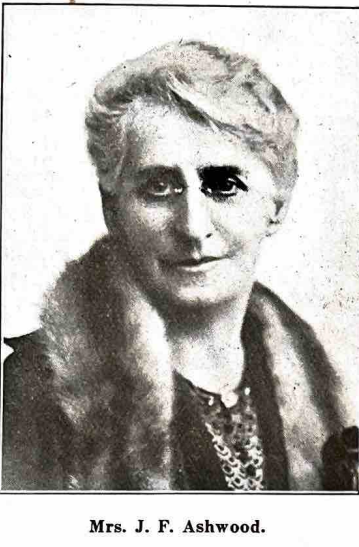
Ellen Elizabeth Ashwood – one of the inspiring women of the Ashwood family.
Ann’s granddaughter and heiress, May, was deeply involved in furthering the Ashwoods’ interest in the network, financing and establishing Ashwood Aged Ladies’ Home in Pendle Hill in memory of her mother.
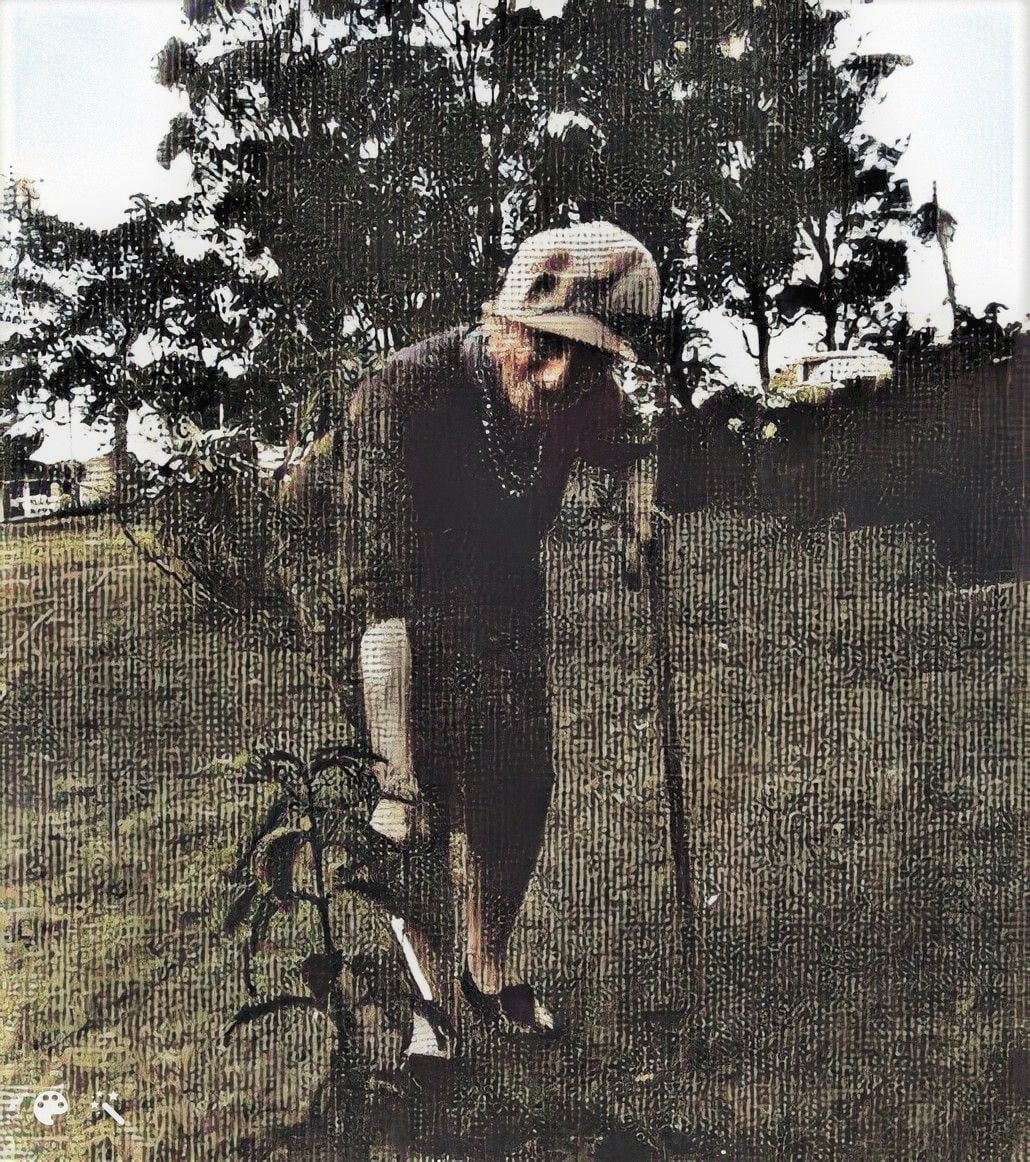
May Ashwood, church benefactor who established Ashwood Aged Ladies’ Home at Pendle Hill in memory of her mother.
“Discovering these three women in the one family was a massive surprise,” Julia said.
“I love that they were so purposeful. Our women didn’t leave the future to chance. They had a succession plan, identifying other women and girls as suitable co-heirs and giving them mentorship, close support, and the care needed so they could be successful in their own right.”
For Julia, these stories are more than historical records. They reveal a pattern of faith lived out in ordinary and extraordinary ways.
Through these stories, she sees women responding to the needs around them, often without formal recognition, yet leaving a lasting impact on the life of the church and the communities it served.
“If you forget your history, you can lose your sense of direction,” she said.
“History helps us understand who we are and why we do what we do.”
Looking back across the archives, Julia sees the same thread through every generation. Women leading the way by stepping forward when there was a need. Their circumstances differed, but their willingness to serve remained the same.
These stories remind us that the church has always been built through people who are willing to take the next faithful step, trusting that even small acts of service can become part of a much larger story.

Recently, Julia wrote a story about another inspiring woman she has ‘met’ through her archival work – May Ashwood. You can read more by visiting the Fresh Hope Communities website.
Visit Our History Archives


